

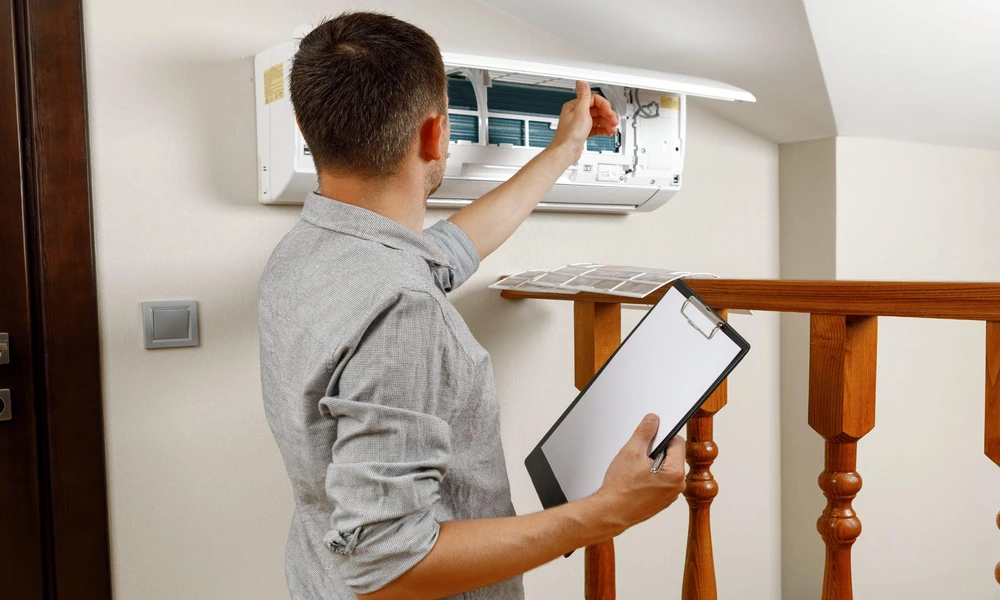
Key Highlights
- Different air conditioning systems require different maintenance approaches.
- Understanding your unit helps you book the most suitable servicing.
- Proper maintenance improves efficiency and extends the lifespan of your system.
- Professional servicing keeps cooling performance consistent throughout the year.
Introduction
Choosing an air conditioner often depends on the size of a property, cooling requirements and available installation space. Singapore homes feature a variety of cooling systems, each designed to suit different layouts and lifestyles. Learning about the types of aircon units can help homeowners make better decisions when purchasing or maintaining their systems.
Maintenance is equally important after installation. Different designs contain unique components that require specific cleaning and inspection methods. Understanding how each system operates allows technicians to perform more effective maintenance while helping owners recognise when professional attention is needed.
Although many people associate commercial aircon servicing with offices and retail spaces, the same principles of proper maintenance also apply to residential systems. Knowing the type of air conditioner installed is the first step towards keeping it operating efficiently for years.
Split Air Conditioners Remain the Most Popular Choice
Split systems continue to be one of the most common types of aircon units found in Singapore homes. An indoor unit delivers cool air while an outdoor compressor removes heat, making the system suitable for bedrooms, living rooms and apartments. Their flexibility also allows multiple indoor units to connect to a single outdoor condenser in many households.
Routine maintenance helps split systems maintain strong airflow and efficient cooling. Filters, evaporator coils and drainage pipes require regular cleaning to prevent dust accumulation and moisture-related issues. Neglecting these areas often results in reduced cooling performance and higher electricity consumption.
Many maintenance procedures used in residential systems are similar to those carried out during commercial aircon servicing, although larger commercial systems typically involve additional equipment and more complex inspections. Proper servicing schedules help prevent avoidable wear regardless of the property’s size.
Cassette and Ceiling Concealed Systems Offer Better Aesthetics
Larger homes sometimes use cassette or ceiling concealed systems to achieve a cleaner interior appearance. Ceiling-mounted units distribute cool air more evenly while remaining less visible than traditional wall-mounted models. Such designs suit open-plan living spaces where balanced cooling is a priority.
Among the various types of aircon units, ceiling-mounted systems generally require easier access during maintenance because major components remain hidden above the ceiling. Servicing often involves inspecting drainage, cleaning internal fans and checking airflow throughout the ducting where applicable.
Many techniques applied during commercial aircon servicing are particularly relevant for cassette and concealed systems because similar equipment is commonly installed in offices, restaurants and commercial buildings. Experienced technicians understand how to service these systems safely while maintaining consistent cooling performance.
Portable and Window Air Conditioners Still Have Their Place
Portable and window air conditioners remain practical solutions for smaller rooms or properties where permanent installation may not be suitable. Although they are less common than split systems, they continue to serve homeowners looking for flexible or temporary cooling options.
To guarantee that your smaller household cooling setup remains highly energy-efficient, comparing these systems with other types of aircon units, portable models usually require more frequent filter cleaning because dust builds up quickly within their compact design. Window units also benefit from regular inspection to ensure proper airflow around the condenser while preventing dirt from affecting efficiency.
Professional maintenance should not be overlooked simply because these units appear smaller. To verify that all internal electrical components are working safely under heavy load, many inspection practices resemble those performed during commercial aircon servicing, including checking electrical components, cleaning coils and ensuring the system continues operating safely under regular use.
Why Knowing Your Air Conditioner Type Matters
Identifying your cooling system before arranging maintenance helps technicians prepare the correct equipment and servicing methods. Different air conditioners contain unique internal layouts, meaning cleaning procedures and inspection points vary considerably from one design to another.
Knowledge of the types of aircon units also helps homeowners communicate problems more accurately. Providing details about the installed system allows technicians to diagnose issues more efficiently, reducing unnecessary delays during appointments while ensuring the appropriate maintenance solution is carried out.
Scheduling regular maintenance remains one of the best ways to preserve long-term performance. Whether servicing residential equipment or carrying out commercial aircon servicing, professionals rely on system-specific knowledge to improve reliability, reduce unexpected breakdowns and maintain comfortable indoor environments.
Conclusion
Air conditioners come in several designs, each offering advantages for different property layouts and cooling needs. Understanding the most common systems found in Singapore helps homeowners make informed decisions about maintenance while ensuring technicians apply the correct servicing approach. Regular professional care supports better efficiency, dependable cooling and a longer operating lifespan regardless of the system installed.
Contact Airple to arrange professional servicing tailored to your air conditioning system and keep your unit performing at its best throughout the year.
