

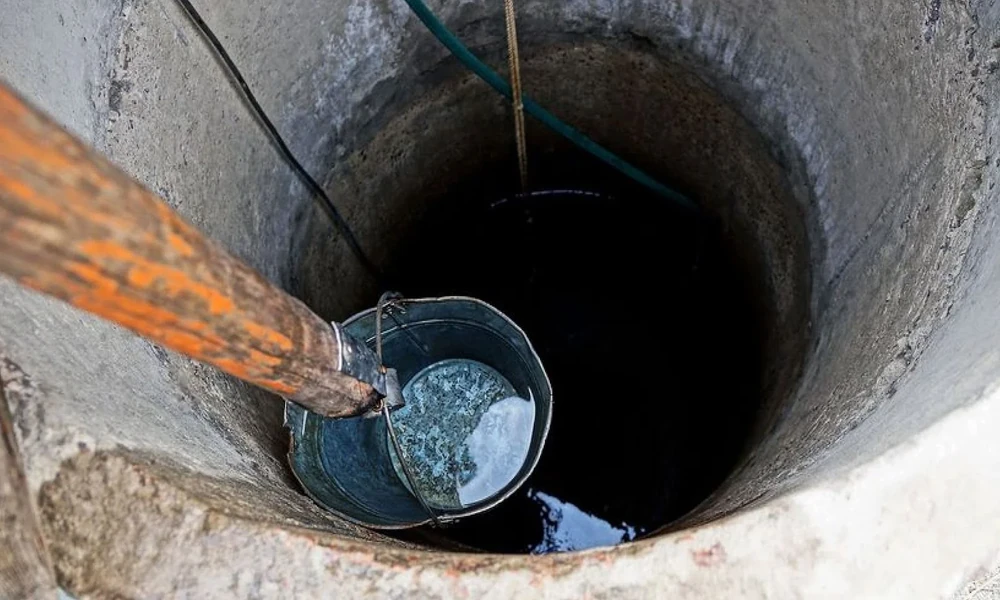
Drive ten minutes in almost any direction from downtown Traverse City and the water coming out of the kitchen tap changes completely. Inside the city, it starts as surface water drawn from the East Arm of Grand Traverse Bay, filtered and treated before it ever reaches a house. Out in the townships, many homes pull groundwater from their own wells, carved through layers of glacial sand, gravel and clay left behind thousands of years ago.
Those two sources look identical in a glass. Inside the pipes, though, they behave very differently. One tends to be gentle on plumbing but carries questions about the age of the service line. The other can be tough on fixtures and appliances, and it places the full job of testing and upkeep on the homeowner.
Knowing which situation a house falls into explains a lot about the problems it develops over time. It also shapes the kind of questions worth asking when a plumber in Traverse City comes out to look at a leak, a pressure drop or a water heater that seems to wear out too soon. What follows is a closer look at each side of that divide.
Life on the Municipal System
The city has drawn its water from East Bay since the mid 1960s. Treatment plant staff have described it over the years as stable and noncorrosive, which matters more than most people realize. Corrosive water slowly eats at pipe walls and pulls metals out of fittings. Water that stays chemically balanced lets copper and other materials last for decades.
That stability does not mean every pipe in town is in good shape. The weak spot in many older neighborhoods is the service line, the pipe that runs from the water main under the street to the house. In the older parts of town, some of these lines were galvanized steel, and some were once joined to the main by short flexible lead connectors called goosenecks.
The city has spent several construction seasons replacing private galvanized lines that were ever hooked to lead, block by block. For homeowners, the practical point is simple. A house built before the middle of the last century may still have galvanized pipe somewhere between the street and the faucets, even if the connection at the main was swapped out years ago.
What Galvanized Pipe Does as It Ages
Galvanized steel rusts from the inside. The zinc coating wears away, rust builds up along the pipe wall, and the opening slowly narrows. The first sign is usually weak pressure at upstairs fixtures or a shower that drops to a trickle when someone runs the washing machine. Brownish water after the system sits overnight is another clue.
The EPA’s basic information on lead in drinking water explains why older galvanized lines matter beyond pressure. Pipe that sat downstream of lead connections can hold particles in its rough interior and release them later. Identifying the pipe material is the first step, and it is usually as simple as scratching the line where it enters the basement and checking whether a magnet sticks.
Life on a Private Well
Beyond city limits, in places like Long Lake, Garfield, Acme and the Old Mission Peninsula, a large share of homes rely on wells. Groundwater moves slowly through rock and sediment, picking up whatever minerals it passes. In much of northern Michigan, that often means calcium, magnesium and iron.
Hardness is the most visible result. Scale builds on faucet aerators, showerheads and glass shower doors. Less visible is the crust that forms inside water heaters, where it settles at the bottom of the tank, insulates the water from the burner and makes the heater work harder for every gallon. Iron adds orange stains to sinks and toilets and can foul softener resin if it is not handled properly.
Well systems also add mechanical parts that city homes never have. Before planning any repair or upgrade on a well home, it helps to know a few basics:
- The depth of the well and when the pump was last replaced
- The size and age of the pressure tank, and whether its air charge has been checked
- Whether a softener, iron filter or other treatment is installed, and when it was last serviced
- The date and results of the most recent water test
A pressure tank that loses its air charge causes the pump to cycle on and off rapidly, which shortens its life. A softener with an empty salt tank quietly stops working, and scale starts building again within weeks.
Testing Falls on the Owner
Municipal water is tested constantly by the utility. Well water is tested only when the owner arranges it. The EPA’s overview of potential well water contaminants covers the range of possibilities, from bacteria and nitrate to naturally occurring arsenic. Many of these have no taste or smell, so a clear glass of water proves very little. An annual bacteria test and a broader panel every few years give a far better picture than appearance alone.
Where the Two Worlds Overlap
Some problems show up no matter where the water comes from. Every home in the region deals with long winters, and pipes along exterior walls, in crawl spaces and near garage walls are vulnerable regardless of their source. Water heaters in both settings benefit from periodic flushing, though well homes with hard water usually need it more often.
Drains are another shared concern. Older homes near downtown may still have cast iron or clay sewer laterals running to the street, and tree roots find their way into the joints over time. Homes on wells usually sit on septic systems instead, which bring their own schedule of pumping and inspection. In both cases, slow drains throughout the house point to a problem farther down the line rather than a simple clog under one sink.
Reading a House by Its Water
A home’s water source tells a story about the kind of trouble it is likely to see. City homes in older neighborhoods tend to show their age through pressure loss, discolored water and the slow decline of galvanized pipe. Well homes tend to show it through scale, stained fixtures, worn pumps and water heaters that give out years before their expected lifespan.
Neither source is better in every way. City water arrives treated and tested but depends on pipes that may be generations old. Well water costs nothing per gallon but asks the homeowner to act as their own water utility. Recognizing which of those roles a house plays makes it easier to spot problems early, budget for the right upgrades and keep the plumbing working through many more northern Michigan winters.
