

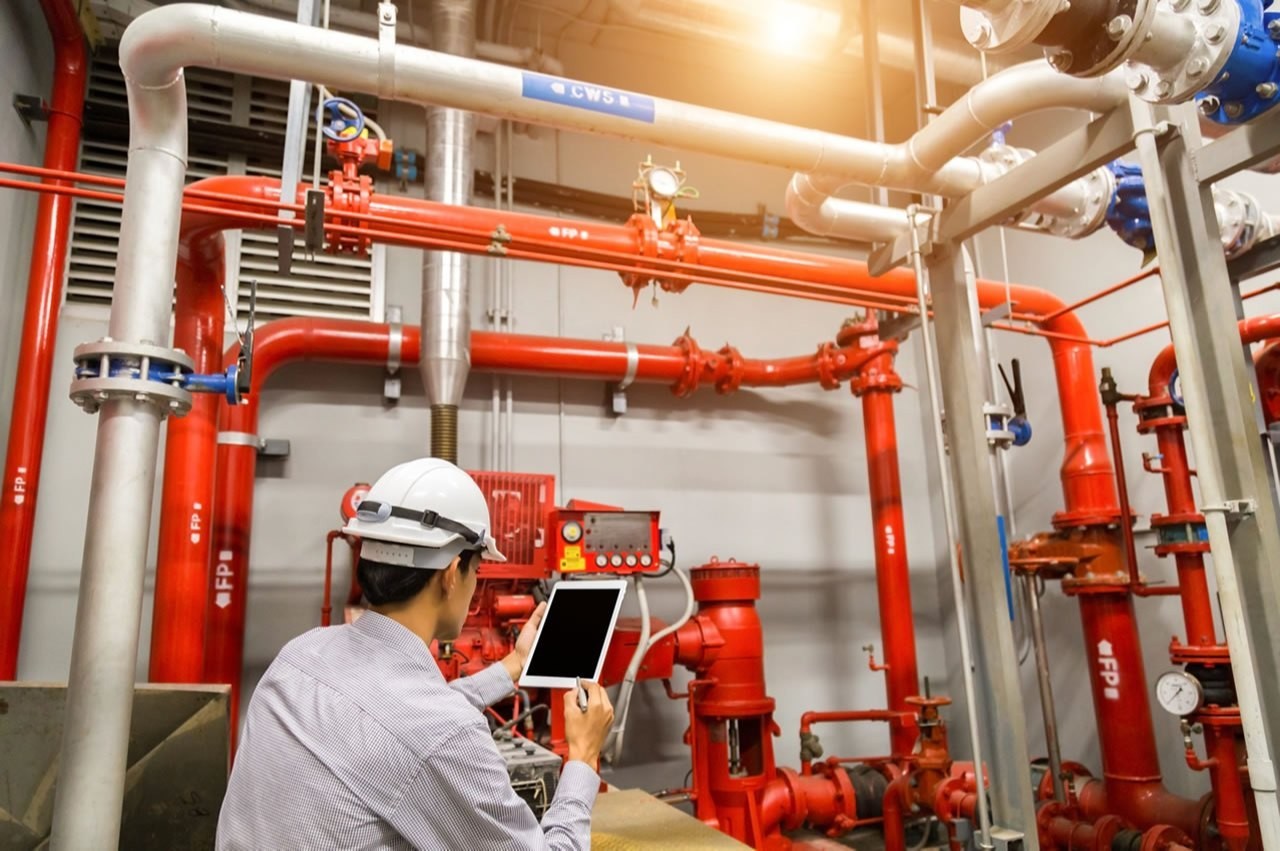
Fire safety is more than just a code requirement in the United States – it’s an everyday obligation. In a growing city like Asheville, N.C., property owners are subject to particularly unique exposure in mixed residential areas with historic buildings on busy commercial corridors. Experience how prevention, detection, and response systems work together to help individuals keep up with the latest threats to protect lives and investments.
Most property owners consider safety equipment only after they receive a notice requiring an inspection or a plan for renovation. Fire protection services in Asheville, NC, a more effective method is proactive scheduling complemented by fire protection in Asheville, NC, tailored to the use and occupancy of the building.
Why Fire Safety Planning Matters
Fires spread quickly. All it takes is less than five minutes, and a small ignition source can become a devastating structure fire. The population losses are small, with 250-300 casualties killed or wounded because of the bomb impact. (Figs 11a) The optimal planning leads to less destruction and more time for evacuation.
Good safety planning helps you:
- Protect occupants and visitors
- Reduce insurance complications
- Comply with local & national fire codes
- Prevent business interruption
- Limit structural damage
The Three Key Layers Of Defense
Everyone in America’s home depends on three key elements to work in conjunction.
Detection Systems
Detection provides early warning. Today, systems are set to sound if they detect smoke, heat, or in some cases, carbon monoxide.
Common equipment includes:
- Smoke detectors
- Heat sensors.
- Alarm control panels.
- Monitoring connections.
- Warning provides time for evacuation before conditions become deadly.
Suppression Systems
Snuffing control (puts out the fire when detected. All systems are not created equal; they vary by occupancy type.
Typical suppression methods:
- Automatic sprinkler systems.
- Kitchen hood suppression.
- Cleaning agent systems for electronics rooms.
- Portable extinguishers.
Correct installation and inspection by fire protection services in Asheville, NC, helps ensure systems work when you want them to discharge, not when they can cause unwanted problems.
Emergency Preparedness
Technology alone cannot prevent injury. The people must learn what to do.
An effective preparedness plan includes:
- Clearly marked exit routes.
- Emergency lighting.
- Staff evacuation training.
- Assembly points.
- Routine drills.
Common Causes of Fire in Asheville Homes
Different buildings present different hazards. Risk is also affected by local factors, including the season, weather, and degree of tourism.
Residential Risks
- Cooking incidents.
- Space heaters in winter.
- Electrical overloads.
- Dryer lint buildup.
Commercial Risks
- Commercial kitchens.
- Storage stockrooms.
- Older wiring in historic buildings.
- Equipment overheating.
Those who have regular inspections by fire protection services in Asheville, NC, are able to find problems well before emergencies happen.
Maintenance: The Most Overlooked Step
Installation is only the beginning. Safety gear has to work 100% of the time.
Routine maintenance typically includes:
- Alarm testing.
- Sprinkler pressure checks.
- Battery replacement.
- Extinguisher recharge and tagging.
- Control panel diagnostics.
Neglected systems often fail silently. A dead battery makes a detector appear to be working fine but it provides no protection.
Choosing the Right Protection Strategy
Property owners should not just imitate another building’s setup, but assess their own risks. Consider:
- Building age and materials.
- Occupancy load.
- Operating hours.
- Special risks (kitchen, chemicals, equipment rooms).
- An optimized plan is safer and produces fewer false alarms.
Final Thoughts
Fire protection is most effective when prevention, detection, and response are combined. Planning is what saves us from panic and allows communities to be protected. Dependable inspections, good training, and regular maintenance are the basis for responsible ownership here in North Carolina. Lit Fire Solutions, and other local professionals to help understand the system’s requirements and plans for long-term safety within compliance.
