

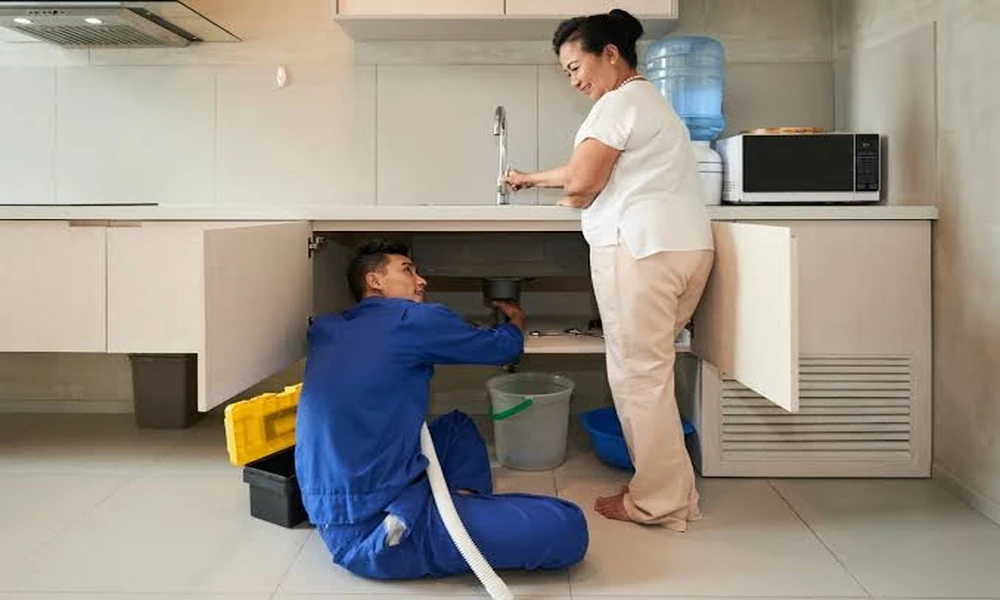
The ceiling stain appeared on a Tuesday. By Thursday it had spread to the light fitting. The management office said the source was the unit above, but the unit above had no visible leak. This is one of the most common scenarios that a water leakage specialist Singapore residents encounter: water appearing somewhere distant from where it entered, having tracked silently through concrete and screed for weeks before showing itself.
Water in a building does not travel in straight lines. It follows the path of least resistance through cracks, along rebar channels, across cold joints, and through the voids left by failed waterproofing membranes. A stain on a ceiling tells you where water arrived. It tells you almost nothing about where it came from. Finding the source requires equipment and training that most general contractors simply do not have.
Why Diagnosis Comes First
B4 Water Leakage Specialist approaches every job with diagnostic equipment before any repair tool is picked up. The company uses thermal imaging cameras to detect temperature differentials caused by moisture, acoustic listening devices to identify the sound signature of water movement within walls and slabs, and moisture meters to map the extent of water saturation in the substrate.
This combination of methods narrows the search progressively. Thermal imaging identifies suspect zones. Acoustic testing pinpoints active flow. Moisture mapping defines the boundary of affected material. Together, they build a picture that makes it possible to locate the source of infiltration with confidence rather than guesswork.
Common Sources of Water Leakage in Singapore Properties
Singapore’s tropical climate, dense high-rise construction, and ageing building stock create a specific set of waterproofing failure patterns that a water leakage specialist operating here will recognise immediately.
Bathroom and toilet slab waterproofing membranes are among the most common failure points. These membranes are exposed to standing water, daily thermal cycling, and the mechanical stress of foot traffic above. After ten to fifteen years, micro-cracks develop and water begins to permeate the slab, appearing in the ceiling of the unit below.
Roof terraces and balconies are similarly vulnerable. The junction between floor waterproofing and wall upstands is a chronic weak point, particularly in older developments where the original screed has shrunk away from the wall finish.
External wall leakage through hairline cracks in plaster or through poorly sealed window frames is another frequent source. This type of infiltration typically worsens during the northeast monsoon when sustained heavy rain drives water against facades at an angle.
What Repair Without Proper Diagnosis Looks Like
Many property owners in Singapore have experienced the frustration of repairs that fail within a year. The contractor patched the visible crack. The leak returned in a slightly different location. Another contractor was called. The same cycle repeated.
This happens when repair is applied to the symptom rather than the source. A water leakage specialist singapore residents can rely on will not commit to a repair method until the source is confirmed. That confirmation comes from the diagnostic process, not from visual inspection alone.
The B4 Water Leakage Specialist Service
B4 Water Leakage Specialist handles the full range of waterproofing failures common in Singapore residential and commercial properties. Services cover bathroom and toilet leaks, roof terrace and balcony waterproofing, external wall seepage, planter box leaks, and water ingress through windows and expansion joints.
The company’s repair methodology prioritises minimal disruption. Where injection grouting can reach and seal the source without tile removal, that method is used. Where the failure is too extensive for injection alone, the minimum necessary intervention is identified and scoped. Clients are given a clear assessment of options, methods, and expected outcomes before work begins.
Water leak detection services include a post-repair report documenting the source identified, the method used, and the warranty coverage applied. This report is useful for owners submitting claims to building management, insurers, or the unit above when liability needs to be established.
When to Call a Specialist
The point at which to call a specialist is earlier than most property owners think. Visible ceiling stains typically indicate that water has been infiltrating for some time. The longer the moisture remains in the slab, the greater the risk of rebar corrosion and structural damage that goes well beyond the cost of waterproofing repair.
Properties older than fifteen years with no history of waterproofing inspection are worth assessing proactively, particularly in bathrooms, roof terraces, and planters. Catching early-stage membrane failure before it becomes a leakage problem is considerably cheaper than repairing active water damage.
For property owners in Singapore dealing with an unexplained stain, a dripping ceiling, or a persistent musty smell that points to hidden moisture, contacting a qualified water leakage specialist singapore is the logical first step toward a repair that actually resolves the problem.
