

A rancher outside Burley may need a panel for a livestock shelter. A shop owner in Pocatello may need a clear barrier at a checkout counter. Both can use plastic sheet, but the requirements are not the same. Panel size, support, location, and expected wear all affect what will work.
A project involving custom plexiglass cut to size Idaho customers need starts with two choices: the material and the sheet thickness. A thicker sheet can add stiffness, but it will not solve every problem. The plastic itself also has to suit the job.
How Thick Should the Panel Be?
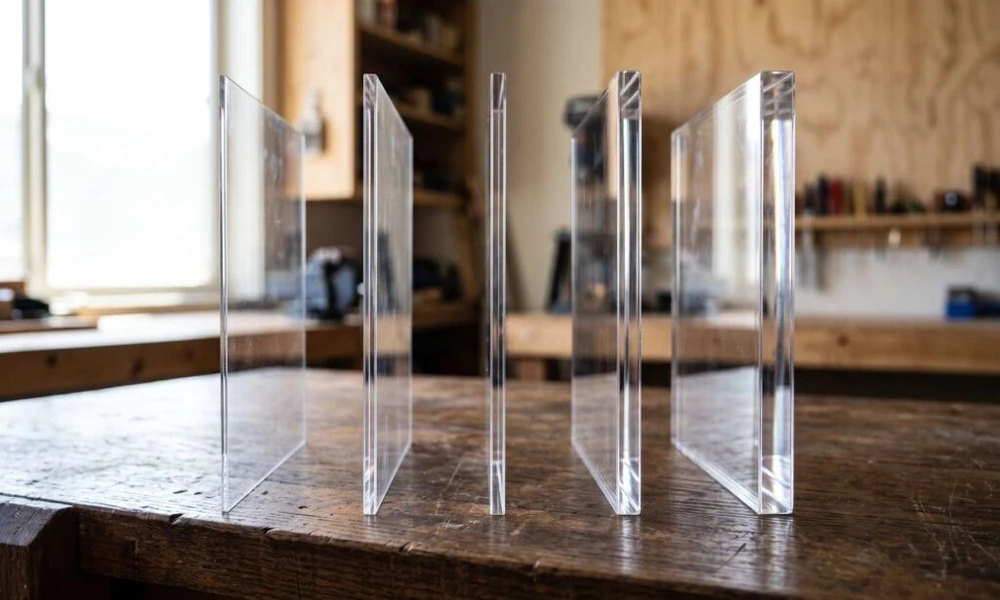
Plexiglass, or acrylic sheet, comes in several thicknesses. Common options include 1/8, 3/16, and 1/4 inch.
A 1/8-inch sheet can work for smaller indoor jobs such as displays, picture frames, covers, and similar pieces with good support. A large panel made from the same thickness may flex when it has a wide span.
A 3/16-inch sheet gives a medium-sized panel more rigidity. It can work for signs, covers, and protective panels where a thinner sheet may not hold its shape as well.
A 1/4-inch sheet is stiffer and may suit larger pieces or panels that will be handled regularly. The size of the sheet and the way it will be mounted still matter. A small panel with solid support may need less thickness than a much larger piece used for the same general purpose.
Acrylic or Polycarbonate: Which One Fits the Job?
Plexiglass generally refers to acrylic. It is clear, relatively light, and useful when a project calls for the look of glass without using glass itself.
Polycarbonate is another clear plastic, but impact resistance is one of its main strengths. That can make it useful around livestock, equipment, workshops, and other places where something could strike the panel.
Acrylic can be a good choice when clarity and appearance are priorities. Polycarbonate has an advantage when the panel needs to withstand harder impacts. The two materials have different strengths, so the intended use should guide the choice.
What to Consider for Outdoor Panels
A panel installed outside has to deal with conditions that an indoor display does not. Idaho’s summer sun, winter temperatures, wind, and hail can affect plastic over time.
Some acrylic products are made for outdoor use and offer better resistance to ultraviolet exposure and weathering. That matters when a panel will remain outside for years. A sheet intended for indoor use should not automatically be assumed to have the same durability outdoors. Polycarbonate can be worth considering where impact is a concern, but the particular product still needs to suit the installation and exposure.
The mounting method also matters. A large sheet needs adequate support and enough room to move as temperatures change. Poor support or overly tight fastening can cause problems even when the material itself is suitable.
Where Cut-to-Size Panels Can Work
- Greenhouses and garden projects. Clear plastic can work for certain glazing, cold-frame, and garden applications where light transmission is important.
- Livestock areas. Impact-resistant plastic can provide a glazing option in some agricultural buildings where animals or equipment may contact the panel.
- Retail barriers. Acrylic and polycarbonate can both be used for checkout and counter barriers, depending on the size, appearance, and expected contact.
- Workshops and utility spaces. A custom-cut sheet can serve as a cover, guard, or piece of glazing when a standard panel will not fit.
- Window inserts. Acrylic can work for some removable inserts when the existing opening and mounting method are suitable.
Nu-Vu Glass offers plexiglass along with other glass and plastic options through its Idaho locations. Having the panel dimensions and intended use ready can make it easier to determine which material and thickness fit the project.
Start With the Job
The thickest sheet is not automatically the right one. A small indoor display may work well with a thin piece, while a large outdoor panel may need greater thickness, additional support, or a different material.
Start with the basics, including the size of the panel, where it will be installed, how it will be attached, and what it is likely to encounter. Those details can narrow the material and thickness choices before the sheet is cut.
A greenhouse near Burley, a livestock building, a workshop, and a retail space in Pocatello can call for different solutions. Choosing the sheet around the actual conditions gives the finished panel a better chance of doing its job once it is installed.
