

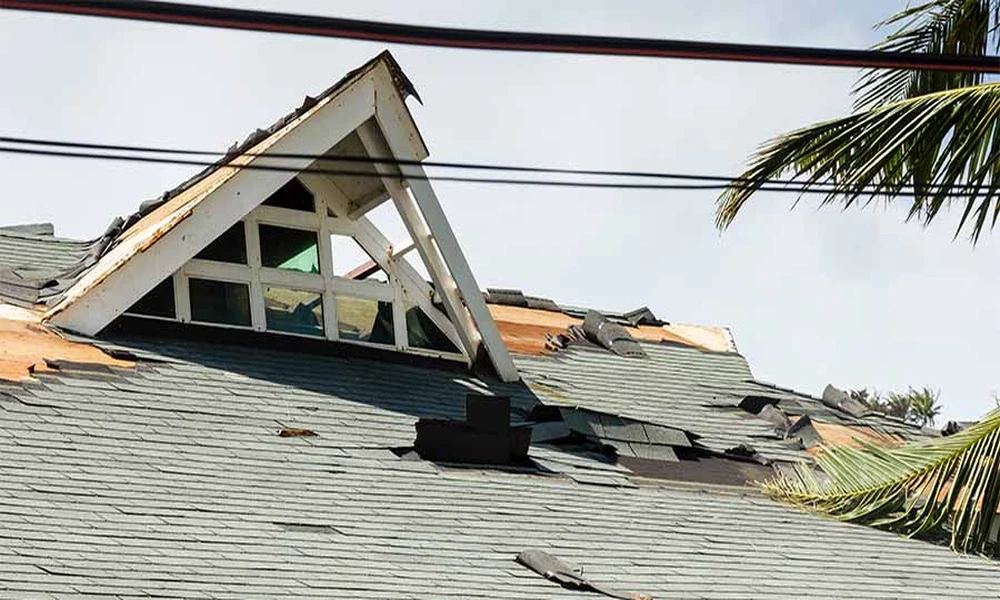
A roof in Norfolk rarely fails for just one reason. The city sits between the Chesapeake Bay and the Elizabeth River. Nor’easters drive rain sideways out of the northeast, tropical systems pass through between June and November, and long humid summers keep attics damp even on dry days. The same ceiling stain or loose shingle can come from very different problems depending on where it appears and when it shows up. Matching each symptom to its most likely cause saves money, because the fix for wind damage looks nothing like the fix for a tired roof or a wet attic.
When a symptom does not fit neatly into any category, wtandersoncorp.com is a Norfolk roofing company worth calling. Its crews work out of an office on Cape Henry Avenue and hold GAF Presidents Club standing. They trace leaks, rebuild flashing, replace soft decking and help homeowners document damage for insurance claims. When a repair no longer makes sense, the same team installs full GAF, Owens Corning or CertainTeed roofs and handles the gutters, siding and windows around them. Book an inspection before the next storm system turns a small stain into a ceiling repair.
Stains That Appear on the Ceiling
A brown ring on drywall is the most common reason homeowners go looking for answers, and the timing of the stain says more than its size.
- It grows only during nor’easters or tropical storms. Water is being pushed sideways under shingles or flashing on the windward slope, usually the northeast face. The typical fix is new flashing or self-adhered underlayment along that exposure, rather than a full roof.
- It grows after any rain, even light showers. The roof covering itself has a breach. Common culprits are a cracked rubber pipe boot, a nail that has backed out, or a shingle torn near a vent. These are usually spot repairs if the rest of the roof is sound.
- It shows up in July with no rain at all. The water is coming from inside the house. Bath fans that vent into the attic, leaky ducts and gaps around ceiling fixtures let humid indoor air reach the cooler roof deck, where it condenses. The Department of Energy’s guidance on condensation control in attics explains why sealing air leaks and venting the attic matter more here than any shingle work.
Shingles Lying in the Yard
Wind damage in Norfolk tends to follow a pattern, and where the shingles came from points to the reason.
- Pieces missing along the rakes, eaves or ridge. These edges take the strongest uplift. Losses here usually mean weak starter strips or too few nails. Replacing the missing pieces with correct six-nail fastening often solves it.
- Shingles still attached but creased across the tab. Wind lifted them and folded them back, breaking the seal strip. Creases are easy to miss from the ground, yet insurers treat them as wind damage. Photograph them before any repair.
- Bald patches and granules collecting in the gutters. This is age, not a storm. Once shingles turn brittle and lose their granules, patches rarely blend in or hold, and replacement becomes the honest answer.
Water Dripping During a Storm
An active leak calls for a different order of work, because the first goal is to protect the house.
- Stop the damage first. Move belongings, catch the water and take dated photos of both the ceiling and the exterior. If shingles are clearly gone, a temporary tarp buys time until the weather clears.
- Trace the water upward from the attic. Water travels along rafters and the underside of the decking before it drips, so the entry point is often several feet uphill from the stain. Look for darkened wood, rusty nail tips and daylight around penetrations.
- Check the usual entry points first. In older neighborhoods like Ghent, Larchmont and Colonial Place, masonry chimneys and aging skylights account for a large share of leaks. On newer homes, failed pipe boots and poorly sealed satellite or solar mounts are more common.
Flashing That Has Given Up
Flashing failures are easy to overlook because the shingles around them often look fine.
- Rust streaks or a smear of caulk where roof meets wall. Salt air corrodes thin steel flashing faster than it would inland, and caulk applied as a patch eventually splits in the summer sun. The lasting repair is new step flashing woven into each shingle course.
- Stained or rotting siding below a roof-to-wall corner. This usually means a kickout flashing is missing. Without it, runoff pours behind the siding instead of into the gutter. Fixing it means lifting a few siding courses, so roof and siding work belong on the same plan.
- Leaks along a valley. Debris dams from nearby oaks and crepe myrtles push water sideways. Clearing the valley and lining it with self-adhered membrane under new metal or woven shingles usually ends the problem.
A Roofline That Dips
Sagging is the symptom to take most seriously, and the shape of the dip tells you how deep the problem goes.
- Ripples between each rafter, like a washboard. The roof decking has absorbed moisture and lost its stiffness. This is common where attics stay humid for years. Replacing the soft sheets during a reroof restores a flat surface.
- A dip in the middle of a slope or a swayback ridge. A rafter or truss has weakened, often from a long-hidden leak or the weight of several old shingle layers. This calls for structural repair, not just new shingles.
- Check the permit rules before work begins. Norfolk’s permit rules exempt one and two family residential reroofs from building permits. However, they require a permit for any repair that installs new framing or exposes existing framing, and for commercial reroofs. A sagging roof that needs new rafters falls on the permit side of that line.
Putting the Map to Work
The patterns above share one lesson. Symptoms that follow the weather point to wind and water, while symptoms that build slowly over seasons point to age, ventilation or structure. A roof under about fifteen years old with storm-specific damage is usually a repair candidate. A roof showing granule loss, brittle tabs and moisture-softened decking all at once has generally reached the end of its useful life, and patching it only postpones the bill. Walking the yard and the attic after every named storm or strong nor’easter, and keeping dated photos, gives you a clear record when it is time to decide. It also gives any inspector or insurance adjuster a head start on finding the real cause.
