

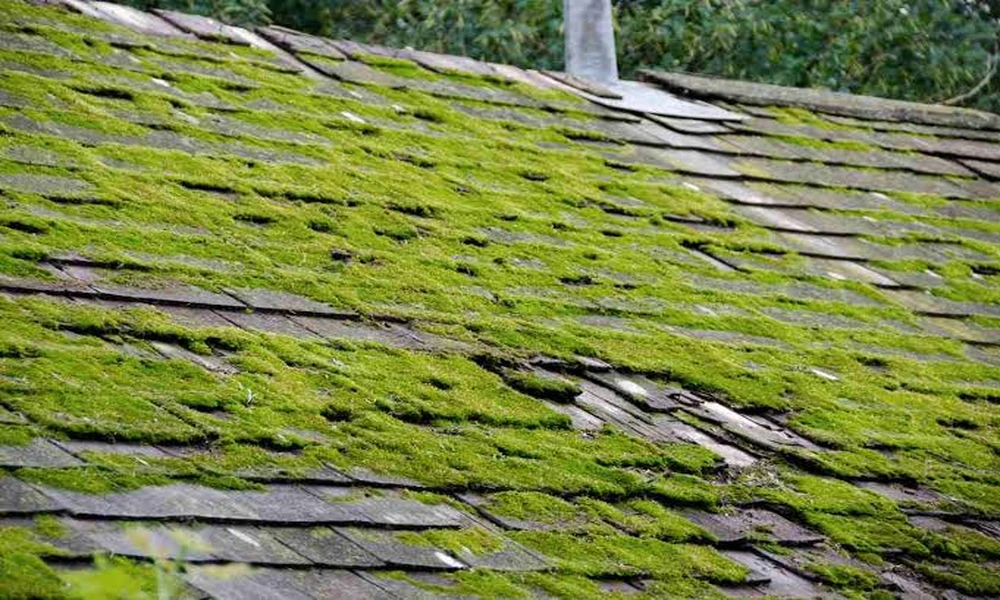
Order in the court. The defendant today is moss, the green, velvety plant that shows up on Pacific Northwest roofs every year as the rainy season settles in. Some homeowners see it as charming. Others see it as the start of a very expensive problem.
If you’re weighing whether to leave it, scrub it or call a roofing company in Marysville, it helps to hear both sides. The evidence below comes from Oregon State University Extension, whose guidance covers moss across the Pacific Northwest. Let’s call the first witness.
Opening Statement
Moss grows where it’s damp and shady, and Western Washington provides both for much of the year. On a lawn or a stone wall, it’s harmless. The question is what it does on your roof.
The Defense
A fair trial starts with the defendant’s best case. According to OSU Extension’s guide to moss on roofs and walkways, moss isn’t a villain everywhere:
- It covers surfaces and provides habitat.
- It absorbs water and plays a role in nutrient cycling and erosion control.
- It indicates clean air, because it only grows where the air is clean.
- It can add an attractive element to a landscape.
The defense rests, with one important qualifier: all of that applies to the garden, not the shingles.
The Prosecution
The same guide lists the risks when moss takes up residence on a roof:
- It slows water. Over time, moss growth slows or prevents water from flowing off the roof and can contribute to shingle damage.
- It’s rated high-risk for property. OSU’s risk card says moss causes roof damage over time.
- It can shorten the roof’s life. If you do nothing, moss growth may reduce your roof’s lifespan, and ignoring it may leave extra water damage to repair when you eventually replace the roof.
- It can burn. Dried-out moss and debris on a roof is flammable and could ignite if embers or sparks land on it.
- It’s slippery. On walkways, patios and decks, moss is a slipping hazard.
OSU Extension’s related news story adds that moss can attach to asphalt and metal roofs, where it can lift shingles and let water penetrate and damage underlying layers.
Exhibit A: The Roof
A moss-covered roof usually tells the same story: shade from nearby trees, needles and leaves collecting in the valleys, and green creeping along the shingle seams. The most important physical fact is that moss holds moisture against the roof and keeps it wet longer than it would otherwise stay.
Cross-Examination: The Cures on the Stand
Not every remedy holds up under questioning. Here is what OSU says about each.
| Remedy | What the evidence says |
|---|---|
| Scraping and brushing | Recommended. Use a dull blade like a putty knife, a stiff brush or a broom. Asphalt shingles damage easily, so be gentle. It works somewhat and takes high effort |
| Pressure washing | Not advised for roofs. OSU says it damages shingles, though it is effective for decks, patios and sidewalks |
| Moss killers (mossicides) | Use if necessary. They are short-acting and wash off in the rain, and you still have to remove the dead moss |
| Zinc or copper strips | Not recommended by OSU. It calls them ineffective at eliminating moss, notes they’re typically nailed to the roof, which can cause leaks if installed incorrectly, and warns zinc and copper are harmful to fish and aquatic organisms |
If a mossicide is used at all, OSU’s guidance is detailed: read the entire label, wear the right protective gear, avoid using it when rain is expected within 24 hours, and keep runoff out of storm drains and waterways.
The Real Defendant: Shade and Debris
OSU’s prevention advice goes after the conditions that let moss thrive:
- Keep the roof clean. Annual maintenance is essential. Remove dead leaves, conifer needles and debris, ideally before rain.
- Reduce shade. Thin or remove overhanging branches that shade the roof. The guide specifically points to a conifer branch that sheds needles and shades a roof.
- Consider metal. OSU notes that moss doesn’t grow easily on metal roofs because the surface is too slippery for it to take root. Metal costs more upfront but needs minimal ongoing care.
A related OSU Extension story sums it up well: you can clean all you want, but to keep moss away the environment needs to change, which means letting sun in.
A Warning About the Courtroom Itself
The most dangerous part of this case isn’t the moss. It’s the ladder. OSU rates physical removal as high risk for falls, and its advice is blunt: avoid climbing on your roof and hire a roofing professional. A fall costs far more than any cleaning bill.
The Sentence: A Simple Maintenance Plan
If your roof is already guilty, here is a fair sentence:
- Get an assessment. OSU recommends consulting a roofing professional to decide whether action is needed.
- Remove the bulk of the growth gently, without pressure washing.
- Clear the debris so the roof can dry between rains.
- Trim back shade where trees allow.
- Commit to annual upkeep, since OSU says that after removal you should follow up each year to limit regrowth.
- Inspect while you’re at it. A cleaning visit is a good chance to check for lifted shingles, damaged flashing and clogged gutters.
Hiring Counsel
Riverside Roofing & Gutters, based in Marysville, lists roof cleaning, repair and replacement among its services. Its website says the company has more than 35 years of experience, is a GAF Master Elite contractor, and offers free estimates. It displays its Washington contractor license number on the site. You can reach the team at (425) 949-8252.
The Verdict
Moss isn’t evil. It’s just in the wrong place. In the garden it earns its keep, but on a roof it holds water, shortens shingle life and invites bigger repairs. Clean it gently, fix the conditions that feed it, and call a professional before you climb. Court adjourned.
