

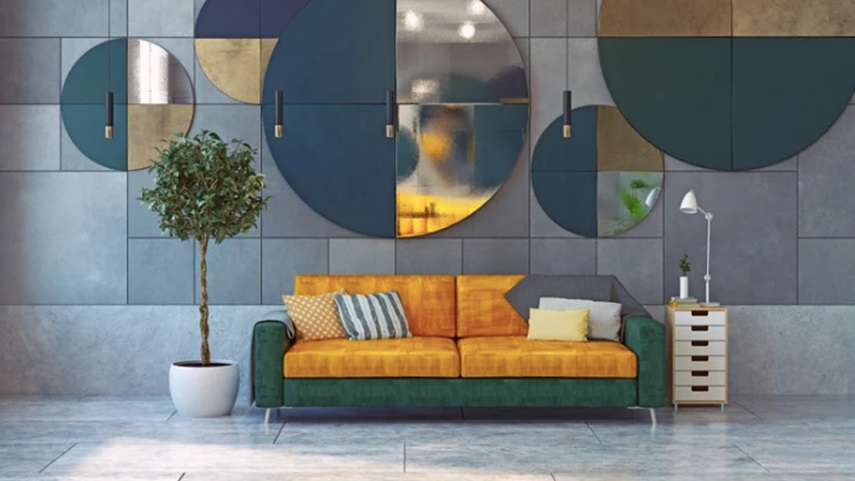
The relationship between humans and nature is deeply rooted, and modern architecture is increasingly reflecting that bond through biophilic design. As cities grow more complex and interior spaces become more confined, architects are exploring ways to reintroduce natural elements into the built environment. A forward-thinking modern architect in Atlanta understands the importance of creating spaces that nurture both function and human well-being by harmonizing design with the natural world.
Biophilic design is more than just greenery in a room. It involves integrating light, air, organic forms, and materials that mimic natural patterns, bringing the outside in for psychological, emotional, and physical benefits.
Understanding the Architectural Role in Biophilia
Biophilic design calls for a fundamental shift in how architects approach the structure and flow of a space. It influences how buildings are oriented, where windows are placed, and what materials are used. This design strategy prioritizes natural light, outdoor views, ventilation, and tactile surfaces such as wood, stone, and water features.
A good starting point for anyone exploring this approach is to understand the different types of architects and how their expertise contributes to spaces that feel connected to nature. Architects specializing in modern, sustainable, or residential design often lead the way in implementing biophilic elements across commercial and residential projects alike.
By fostering this natural integration, buildings can reduce stress, improve air quality, boost focus, and enhance mood, making biophilic design a key asset in wellness-focused architecture.
Designing for Interaction with Nature
Biophilic spaces aren’t limited to aesthetics. They are designed to encourage interaction with natural systems. Living walls, interior gardens, water elements, and daylight-optimized layouts make users feel grounded and more in tune with their surroundings. The goal is to stimulate sensory engagement through sight, sound, touch, and even scent inside what would otherwise be sterile structures.
While this can be seen in residential architecture, it’s also transforming workspaces, healthcare facilities, and schools. These environments benefit from improved occupant well-being and performance, which architects achieve by applying nature-inspired solutions at every scale.
This evolving movement is also reshaping how homes are planned, especially when it comes to layout. The use of open-concept spaces is closely aligned with biophilic principles. By eliminating barriers and maximizing visual continuity, these layouts enhance natural light flow and reinforce a sense of spatial openness that mimics outdoor experiences.
Merging Sustainability and Design Innovation
One of the key advantages of biophilic design is its alignment with sustainability. Incorporating nature into architectural spaces promotes energy efficiency, passive cooling, and reduced reliance on artificial lighting. Materials are often locally sourced, renewable, and selected for their health-promoting properties.
Architects also rely on digital tools to model environmental factors such as sun paths, wind flow, and vegetation patterns to enhance the building’s integration with nature. This intersection of technology and biophilia allows for greater innovation in creating adaptive, regenerative spaces that evolve with their users.
Conclusion
Biophilic design is reshaping how we live, work, and interact with architecture. It brings life back into buildings, encouraging comfort, wellness, and sustainability in ways that traditional design simply cannot match.
By working with professionals who understand how to integrate biophilic principles into modern architecture, clients can experience the profound impact of nature-inspired spaces. These designs don’t just look better, they feel better, proving that architecture rooted in nature is here to stay.
