

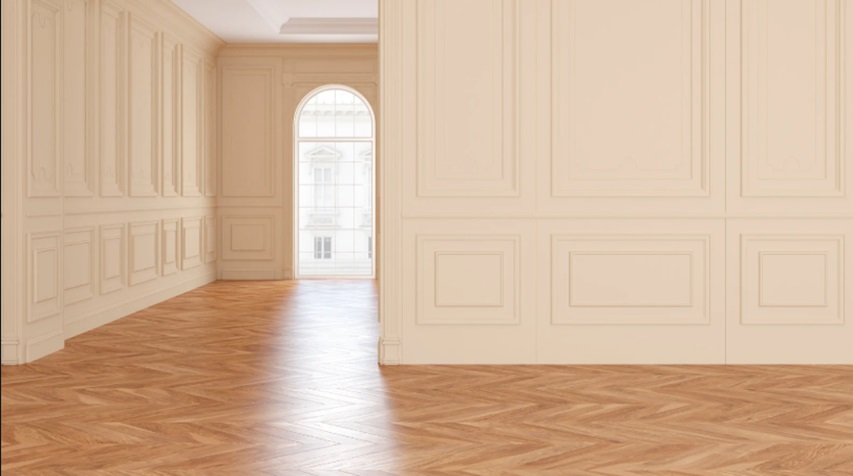
Open-plan living areas have become a hallmark of modern home design, offering spaciousness, versatility, and a seamless flow between different zones. While the layout provides visual freedom, it also demands thoughtful choices in materials, especially flooring. Among the best-suited options, parquet wood floor stands out for its elegance, practicality, and ability to define spaces without disrupting the open concept.
Unlike traditional flooring that may fade into the background, parquet offers design flexibility through intricate patterns and rich wood tones that bring character and cohesion to large, open interiors.
Aesthetic Harmony in Open Spaces
In open-plan designs, floors must do more than simply cover ground; they must tie the entire space together. Parquet does this beautifully through geometric patterns like herringbone, chevron, and basket weave, which draw the eye and add rhythm to an otherwise uniform layout.
Its artistic layout offers visual interest without overwhelming the design, creating natural separations between dining, living, and kitchen areas. The result is a unified yet dynamic space where every area feels intentional and well-proportioned.
Incorporating how to clean wood parquet flooring effectively into regular care routines ensures these beautiful floors retain their shine and structure for years. Consistent maintenance with the right techniques keeps the surface looking polished and prevents wear from interrupting the visual flow.
Enhancing Functionality with Structure and Warmth
Parquet floors are more than visually appealing; they are functionally beneficial in open-plan environments. Made from hardwood, they are exceptionally durable and can withstand the daily demands of high-traffic areas. Their layered construction also provides excellent dimensional stability, reducing the risk of shifting or buckling over time.
Additionally, the natural insulating properties of wood help regulate temperature, making large open rooms more comfortable throughout the seasons. Unlike tile or concrete, parquet adds a sense of warmth and homeliness to wide spaces, softening the acoustics and overall atmosphere.
Because each panel is laid in a distinct pattern, parquet flooring naturally guides foot traffic and helps subtly organize the space without needing physical dividers or rugs.
Customization for Modern and Classic Tastes
One of the greatest strengths of parquet is its adaptability to different design styles. Whether you’re working with a minimal, industrial loft or a cozy, rustic interior, parquet can be customized in tone, wood species, and pattern to match your vision. It serves as a canvas that elevates furniture and décor, anchoring the room with timeless elegance.
Its intricate detail becomes even more impactful in an open layout, where light plays across the pattern and adds movement to the design. Unlike monochrome flooring, parquet’s layered grains and alternating direction offer depth and sophistication that enhance both new builds and renovated spaces.
Conclusion
Parquet wood floors bring balance to open-plan living, visually connecting spaces while offering structure, warmth, and classic charm. Their artistic patterns and durability make them a smart design investment for homeowners who value both form and function. When thoughtfully chosen and well-maintained, parquet becomes a defining feature of the home, adding lasting beauty and practical benefits to expansive interiors that invite connection and creativity.
